If keeping up with a larger home is starting to feel like more work than it is worth, you are not alone. Many homeowners in Rudolphtown want a simpler day-to-day routine without giving up comfort, storage, or convenient parking. The good news is that low-maintenance living here can take a few different forms, and knowing what to look for can help you make a smart move. Let’s dive in.
What downsizing looks like in Rudolphtown
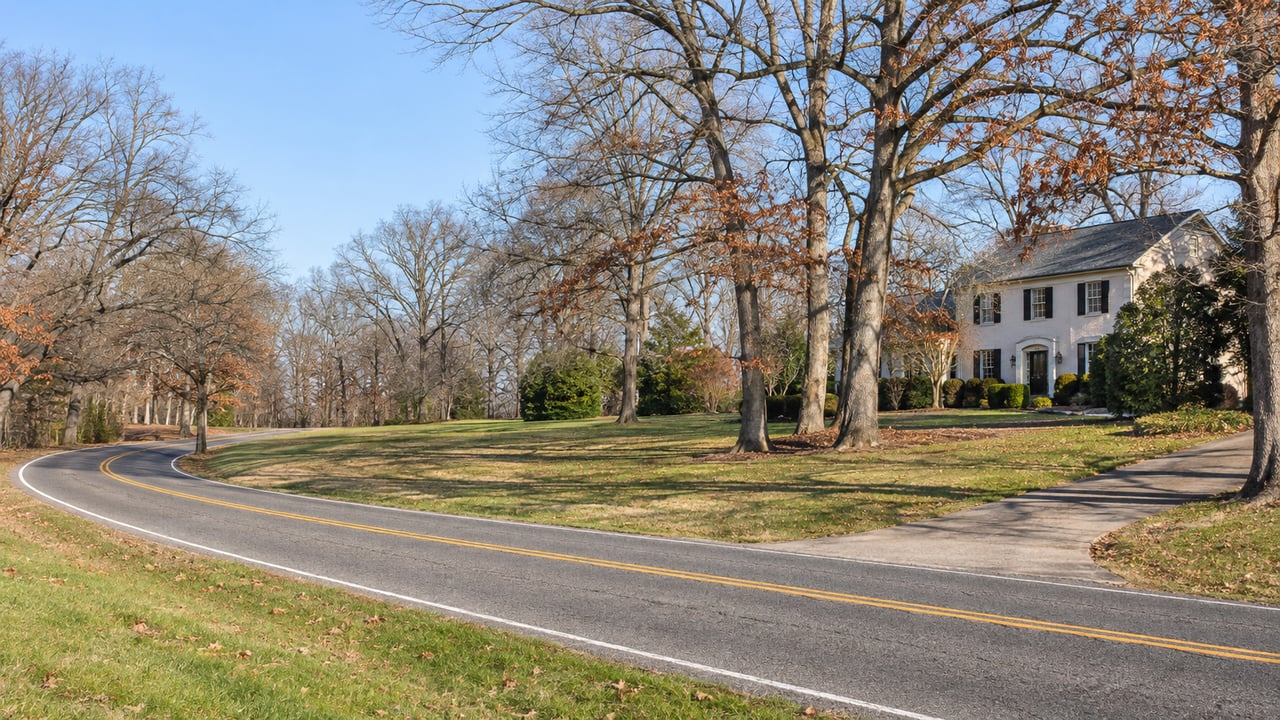
In Rudolphtown, downsizing does not always mean moving into a small condo. The neighborhood housing mix leans heavily toward single-family homes, but it also includes attached homes and some apartment-style options. That means you may find a lower-maintenance fit through layout and upkeep needs, not just by choosing the smallest home possible.
This part of Clarksville is known for mostly owner-occupied housing, with many homes built in 2000 or later and another solid group built between 1970 and 1999. The area also shows above-average real estate demand, so it helps to start your search with a clear picture of your must-haves. In a market like this, clarity can save you time and stress.
Low-maintenance home types to expect
Rudolphtown offers some real downsizing options, but the inventory is varied rather than uniform. You are more likely to see attached homes in an HOA setting or detached homes that are easier to manage because of their layout, lot, or exterior setup. That gives you flexibility, but it also means you need to compare choices carefully.
Attached homes with shared upkeep
One of the clearest local examples is Villas of Rudolphtown, a community dating to 2005 with attached homes and single-family homes. Typical homes there are listed as having 2 to 3 bedrooms and 2 to 4 bathrooms, with association fees around $130 per month. For many downsizers, that kind of setup can offer a good balance between private living space and fewer exterior chores.
A public listing example from that community shows why this option appeals to buyers who want convenience without feeling cramped. The home included an attached garage, laundry room, pantry storage, attic storage, and a 1.5-story layout. It was also more than 2,300 square feet, which is a helpful reminder that low-maintenance does not always mean small.
One-level detached homes
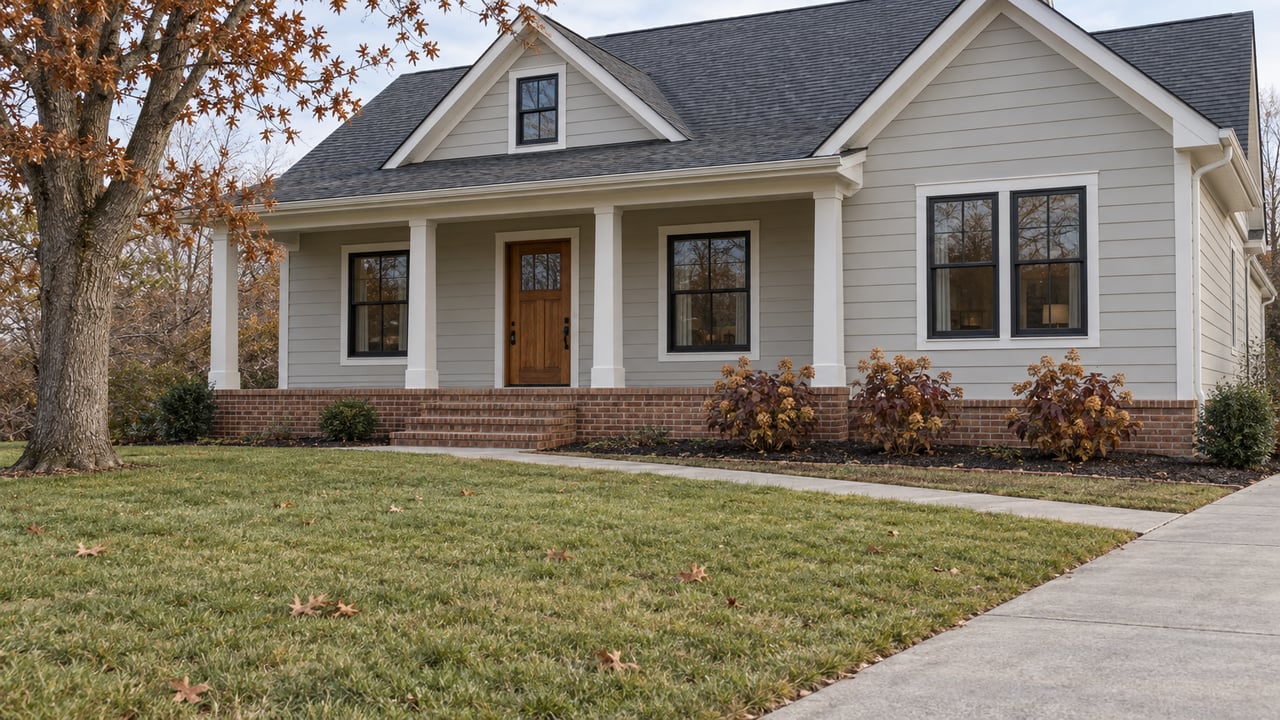
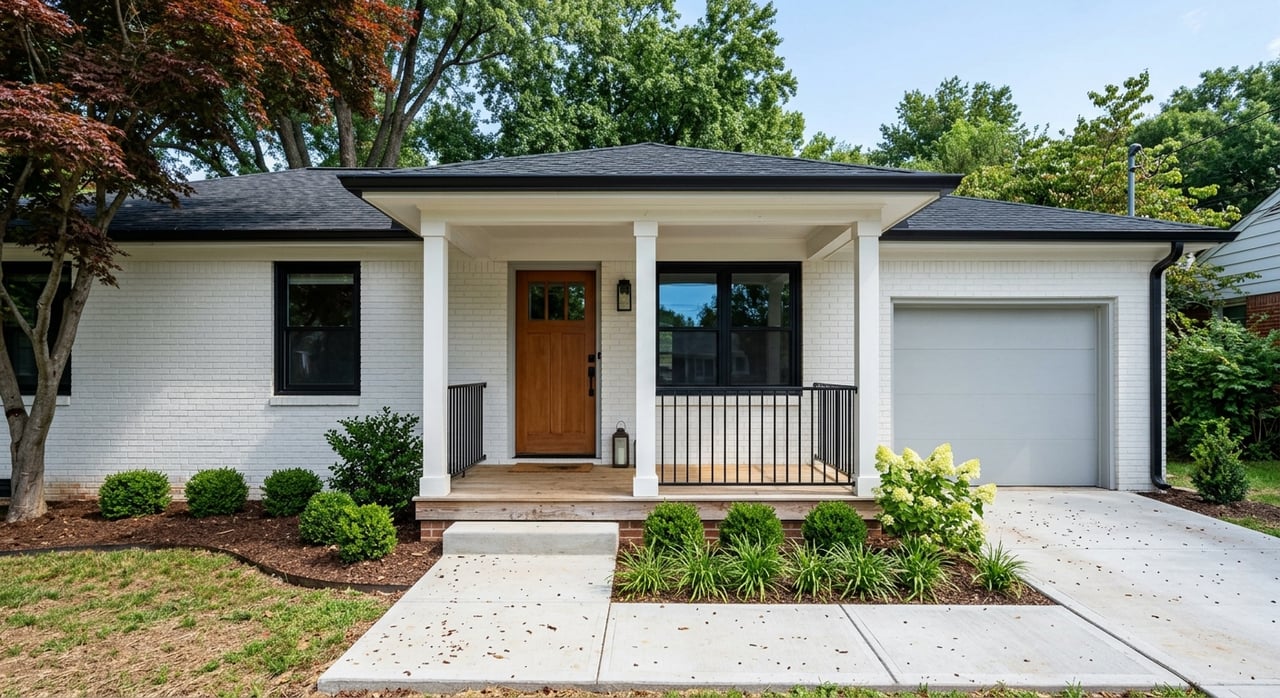
Another downsizing path in Rudolphtown is a detached one-level home. A local listing example showed an all-brick ranch on 0.85 acres with four parking spaces and a detached carriage-house apartment. While that may sound larger than a typical downsizing move, it highlights an important local truth: many buyers here choose easier living through a practical floor plan rather than by dramatically cutting square footage.
If you want privacy, fewer stairs, and garage space, a one-level detached home may be a better fit than a multi-story attached unit. In Rudolphtown, you may end up choosing between a smaller home with stairs and shared exterior responsibilities or a larger one-level home that is simpler to live in every day.
Focus on function, not just size
When you downsize, square footage matters less than how the home works for your life. A home can be smaller on paper but still feel harder to manage if the laundry is upstairs, the entry has several steps, or storage is limited. That is why it helps to look beyond the listing headline.
A review on aging in place notes that only about 10 percent of U.S. homes are considered aging-ready. Features tied to that idea include a step-free entry, a bedroom and bathroom on the first floor, and at least one bathroom accessibility feature. CDC guidance on fall prevention also underscores that falls can reduce independence, but many risks can be prevented.
Features worth prioritizing
If your goal is low-maintenance living in Rudolphtown, pay close attention to features like these:
- Step-free entry from the driveway or garage
- Main-level primary bedroom
- Main-level laundry
- One-level living or limited stair use
- Comfortable bathroom layout for future updates
- Pantry, closet, attic, or basement storage
- Garage and driveway space that makes unloading easy
- Level or easier-to-maintain lot
These details may sound small at first, but they can make a big difference in how the home feels six months or six years from now.
Why garages and driveways matter here
In Rudolphtown, access and parking convenience deserve real attention. Nearby major corridors include Wilma Rudolph Boulevard and Old Trenton Road, and most residents commute by driving alone. Because daily driving is such a common part of life here, practical parking can affect your routine more than you might expect.
That is why attached garages, wide driveways, and easy walk-in access from the car are so important for downsizers. If you carry groceries, travel often, or simply want less hassle in bad weather, these features can make a home feel much more livable.
Understand what the HOA actually covers
One of the biggest mistakes downsizers can make is assuming every HOA offers the same kind of low-maintenance lifestyle. In Tennessee, HOA responsibilities are shaped by the association’s governing documents and assessment authority, which means maintenance coverage is not standardized from one community to the next. You need the details before you make assumptions.
For example, local Rudolphtown examples show association fees can vary. One Villas of Rudolphtown example reported a $130 monthly HOA fee, while another neighborhood example showed a $50 association fee. A lower fee is not automatically better if it leaves you responsible for more exterior work or future repairs.
Questions to ask before you buy
Before you decide that an HOA home is your best downsizing option, review the HOA packet and ask questions like:
- Does the fee include lawn care?
- Is exterior painting covered?
- Who handles roof replacement?
- Is trash service included?
- Are reserves funded for future repairs?
- What are the parking rules?
- Are there limits on exterior changes?
The goal is simple: make sure your monthly fee matches the lifestyle you want.
How to choose the right trade-off
In Rudolphtown, downsizing often comes down to choosing the trade-off that fits your life best. You may trade some square footage for shared exterior maintenance, or you may keep more space in exchange for a one-level layout and easier daily function. Neither choice is automatically better.
The best move depends on what feels like relief to you. If mowing less, climbing fewer stairs, and having simple access from the garage are top priorities, that should guide your search more than an exact target size. A smart downsizing plan focuses on comfort, convenience, and long-term livability.
Tips for sellers marketing to downsizers
If you are selling a home in Rudolphtown that may appeal to downsizers, the way you present it matters. Buyers in this stage are often looking closely at ease of living, not just finishes and square footage. Clear, honest marketing can help your home stand out.
Features to highlight in your listing
If they apply to your property, emphasize details such as:
- One-level living
- Main-floor primary suite
- Main-floor laundry
- Step-free garage entry
- Low exterior upkeep
- HOA-managed services
- Extra storage space
- Level driveway or easy parking
These features help buyers picture a simpler daily routine, which is often the real goal behind downsizing.
A local approach makes a difference
Because Rudolphtown is not a one-size-fits-all downsizing market, local guidance matters. Inventory can range from attached homes with HOA fees to detached ranch homes with larger lots, and the right answer depends on how you define low maintenance. A neighborhood-level strategy helps you compare options based on your daily life, not just the listing photos.
If you are thinking about downsizing in Rudolphtown, it helps to work with someone who can walk you through the trade-offs, point out practical details, and help you evaluate both resale and livability. When you start with the right plan, downsizing can feel less like giving something up and more like gaining freedom.
If you are ready to explore your options or want a clear sense of what your current home could sell for, Meg Pritschet can help you take the next step with local guidance and a thoughtful, client-first approach.
FAQs
What types of low-maintenance homes can you find in Rudolphtown?
- In Rudolphtown, you may find attached homes in HOA communities, as well as detached homes that feel low-maintenance because of one-level layouts, garages, level lots, or simpler exterior needs.
What should you look for when downsizing in Rudolphtown?
- Focus on daily function, including step-free entry, main-level living, laundry location, storage, bathroom layout, and easy parking access.
Do HOA fees in Rudolphtown always cover exterior maintenance?
- No. HOA coverage is not standardized, so you should review the governing documents and confirm whether services like lawn care, painting, roofing, trash, and reserve funding are included.
Is downsizing in Rudolphtown the same as buying a smaller home?
- Not always. In this area, downsizing can also mean choosing a home that is easier to live in, even if it still offers generous square footage.
Why is one-level living important for Rudolphtown downsizers?
- One-level living can reduce stair use, improve daily convenience, and support long-term comfort, especially when paired with step-free entry and main-level bedrooms and bathrooms.